What Can a Virtual Assistant Do? 30 Tasks Small Businesses Hand Off First
30 virtual assistant tasks small businesses delegate first, from inbox and CRM to invoicing and follow-ups, plus how to choose what to hand off and set your VA up for success.
4 min read
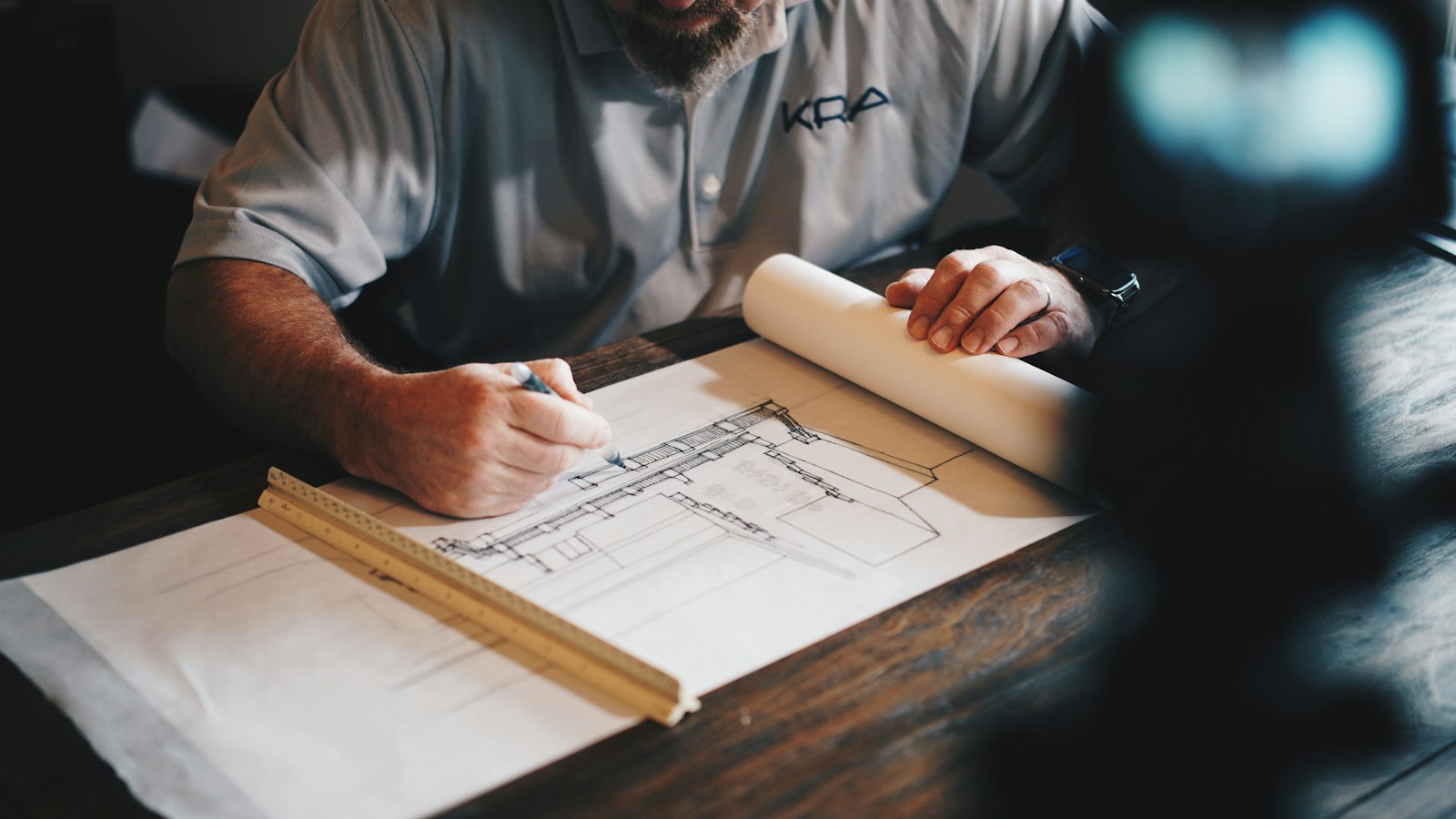
For most contractors, estimating is the bottleneck. Every bid needs a takeoff, pricing and a proposal, and when the person doing them is also running jobs, bids get rushed or skipped. Hiring a remote construction cost estimator lets you bid on more work without adding office overhead, as long as you hire the right person and set them up properly.
This guide covers what a remote construction cost estimator does, the skills to test for, interview questions to ask, and how to get your new estimator producing accurate bids in the first few weeks.
A construction cost estimator works out what a project will cost to build, so you can bid profitably. Day to day, that usually includes:
Estimating is almost entirely done on screen: drawings, takeoff software, spreadsheets and email. That makes it one of the easiest construction roles to fill remotely. The main benefits:
The trade-off is that a remote estimator can’t walk the site. Plan for that by sharing site photos or videos and a short walkthrough call for larger projects.
Your estimator should be comfortable with architectural, structural and MEP drawings, and know how your trade shows up in them. A drywall estimator and an electrical estimator need different experience, so hire for your scope.
Ask which tools they’ve used and how many projects they’ve completed in each. If you already use a specific program, prioritise candidates who know it, or budget time for training.
Most commercial estimates are organised using the CSI MasterFormat divisions. An estimator who works this way produces estimates that are easier to review and compare with subcontractor quotes.
Takeoffs are only half the job. Good estimators understand labor productivity, waste factors and where projects usually go over budget, and they ask questions rather than guess.
Your estimator will write clarifications, exclusions and RFIs that clients and general contractors read. Clear, accurate written English matters.
The most reliable way to judge an estimator is to see their work. Send a small set of drawings from a past project you’ve already estimated, ask for a takeoff and priced estimate in your format, and compare it with your own numbers. Pay for the test: it shows respect for their time and gets you better candidates.
We recruit, test and train remote construction cost estimators who work US hours and report to you. Every candidate completes a skills test before you meet them, you interview a shortlist and approve your hire, and we handle payroll, equipment and a replacement if it isn’t the right fit. See the construction cost estimator role on our remote staffing page, or book a free strategy call below to talk through what you need.
Practical guides on marketing, CRM automation and building a remote team. See all articles

30 virtual assistant tasks small businesses delegate first, from inbox and CRM to invoicing and follow-ups, plus how to choose what to hand off and set your VA up for success.
Eight steps, in the order we tackle them for clients, to help contractors and local service businesses show up in map results and local searches.

Most GoHighLevel accounts use a fraction of what they pay for. These nine GoHighLevel automations make sure no lead or customer slips through the cracks.
Share a little about your business. We'll reply within one business day with next steps.
